Littleton's Board-Up & Tarping Specialists
Secure the property after the fire
Broken windows, open roofs, and damaged doors should be protected before weather or trespass adds new damage.
Littleton's Board-Up & Tarping Specialists
Broken windows, open roofs, and damaged doors should be protected before weather or trespass adds new damage.
Once firefighters leave, a fire-damaged Littleton property may have broken windows, forced doors, roof cuts, siding openings, or exposed framing. Wind, afternoon storms, snow, animals, and trespass can turn an already serious loss into a larger insurance dispute.
Most homeowners policies cover reasonable emergency services to prevent additional damage. That is why board-up and tarping should not wait for a full rebuild estimate. The property needs to be secure first.
Board-up work should be documented with photos and itemized notes. Roof tarps need to be placed in a way that sheds water and does not create new leaks. If the structure is unsafe, contractors coordinate around fire department clearance and access limits.
In Littleton and nearby south metro towns, fast securing matters during red flag periods and fast weather changes. Openings can pull smoke odor deeper into the home, allow moisture into already damaged materials, and create liability concerns for vacant properties.
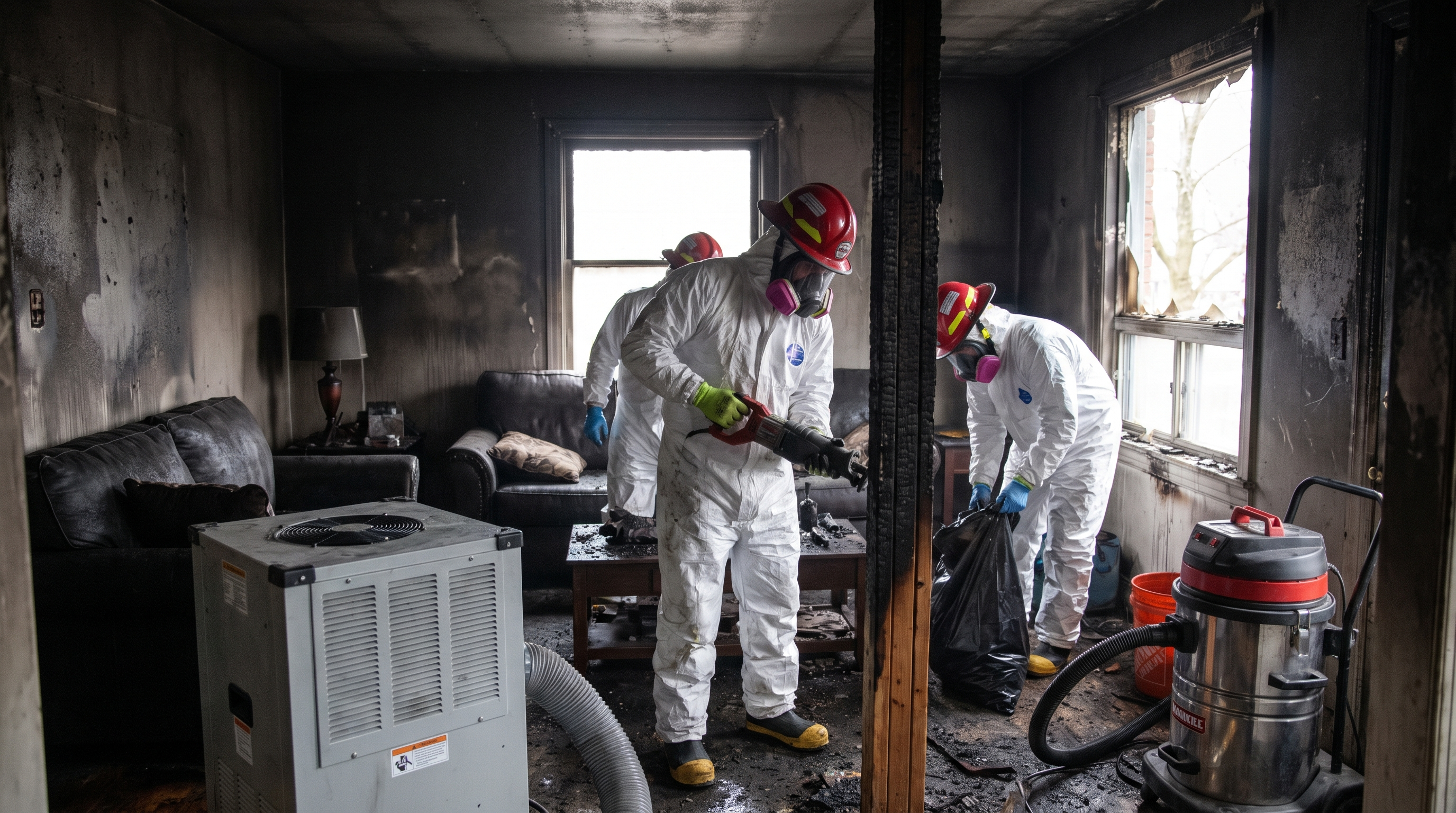
Emergency securing closes openings, protects exposed materials, and creates a record of work performed to prevent additional damage.
Openings are measured, covered, and fastened to reduce trespass, weather entry, and animal access. Photos show the condition before and after securing.
Temporary tarps protect roof cuts, burned sheathing, damaged siding, and exposed interior areas. Proper placement helps shed water away from the opening.
The contractor records why emergency protection was needed, what areas were secured, and what materials were used. This supports the insurance file.
Littleton can move from dry wind to storm moisture quickly. Board-up and tarping reduce secondary damage while the claim and rebuild plan develop.
Photos and itemized notes help show the carrier that the work prevented further damage, not cosmetic repair.

Secure openings quickly after fire department clearance.
Free — no obligations
The contractor identifies broken windows, damaged doors, roof openings, wall breaches, and unsafe access points.
Boards, fasteners, tarps, and temporary supports are selected for the opening and weather exposure.
Openings are covered and roof or wall exposures are tarped to reduce additional water, wind, and security damage.
Before-and-after photos and work notes are organized for the homeowner and insurance claim.